









On September 26, Wizards of the Coast revealed the full Magic: The Gathering schedule for 2026, with seven mainline sets. Among the in-universe expansions are the already known Lorwyn Eclipsed and Secrets of Strixhaven, as well as the new Reality Fracture, which concludes the current storyline.
Collaborations have increased to four in 2026—according to Mark Rosewater, this change is due to contractual issues, and the game will return to the six-edition format the following year—which includes a yet-to-be-revealed partnership with Nickelodeon, the Marvel Super Heroes set, a return to Middle-earth with The Hobbit, and confirmation of the card game's collaboration with Star Trek.
In addition to these, the company also revealed several Secret Lair partnerships for late 2025 and throughout 2026, including Furby, Iron Maiden, Jaws, The Office, and PlayStation.
In short, a lot has come out, all at once, and it's natural to feel overwhelmed by so much information and even feel weary and skeptical about the releases, regardless of your preference for game expansions or a specific Universes Beyond.
In this article, I share my first thoughts on what to expect in 2026, highlighting successes, failures, and the challenges each set presents for Magic: The Gathering in the coming year!
Seven Sets in One Year: Universes Beyond Fatigue Sets In

If you've read any of my articles about Universes Beyond, you know I'm a proponent of including these collabs in Magic: The Gathering to popularize the card game, insert it into mainstream culture, and use it as a social tool in a world increasingly divided by social media. And while none of the 2026 collabs shines to me individually, I know people who were very excited about the Marvel set and someone who is still dreaming about what might come in the Star Trek expansion.
That said, a year after the announcement that Universes Beyond would become half of Magic's yearly releases, my stance on this change remains the same: three collabs per year is a lot, and there's no need to even mention what four expansions mean in this equation.
Mark Rosewater has already issued a note on his blog stating that 2026 is an anomaly and that 2027 will return to the 3-3 split. However, the risk remains the same: too many Universes Beyond releases make the product less important, exciting, and special than it should be, and we're experiencing this right now with Spider-Man—a set that, in addition to being disorganized due to last-minute changes, underdelivered in terms of the standards set by Lord of the Rings and Final Fantasy and, consequently, has a much more jaded feel that affected its sales. This could also affect Avatar: The Last Airbender in November.
During 2025, players faced the challenges that Universes Beyond brought to the game, especially the price increase for half of the year's expansions. This significantly increased the cost of playing Standard and made Magic less accessible to various demographics, both due to the high prices and the rise of the card game's scalping culture, which reached levels never seen in Magic: The Gathering with Final Fantasy.
Now that this model is known to work, what types of scalping practices can we expect with the 2026 collabs? And what measures does Wizards of the Coast intend to take regarding this? Furthermore, how will a release window that includes an expansion every two months affect player fatigue both inside and outside of Standard?
Yes, it's possible and necessary to reevaluate your consumption patterns and understand that not every product needs to be purchased because it doesn't meet your needs, but that doesn't change the competitive player's need to stay up-to-date, much less the public perception that too much is coming out too quickly, and in this case we've reached the point where Universes Beyond is the current fatigue.
This was expected; after all, WotC has a habit of always doubling down* on what works, but this time, the overload was a bit too great: in addition to four Universes Beyond releases, collaborations were also revealed in Secret Lair with Iron Maiden, Dwight from The Office, Jaws, PlayStation, among others—all scheduled for release in 2025.
The feeling is that the public perception of what Universes Beyond should be is worsening, which could alienate both old and new Magic: The Gathering players because it's very difficult to keep up with everything that's happening in the game.
We've mentioned several times that "Magic is a product to be sold," but perhaps just "to be sold" no longer matches the sentiment that it is conveying to its audience. Magic is offering so much to sell and is selling so quickly that it's boring the main demographic that should be interested in what it has to offer: one of the best card games in the world.
Lorwyn Eclipsed's Most Important Product Isn't in Lorwyn
Yes, Evoke is back, as are Commands, Kindred, and iconic characters, and the story of Lorwyn Eclipsed has an interesting premise, but considering the card game Magic: The Gathering, none of these new features compare to the importance of Theme Decks.
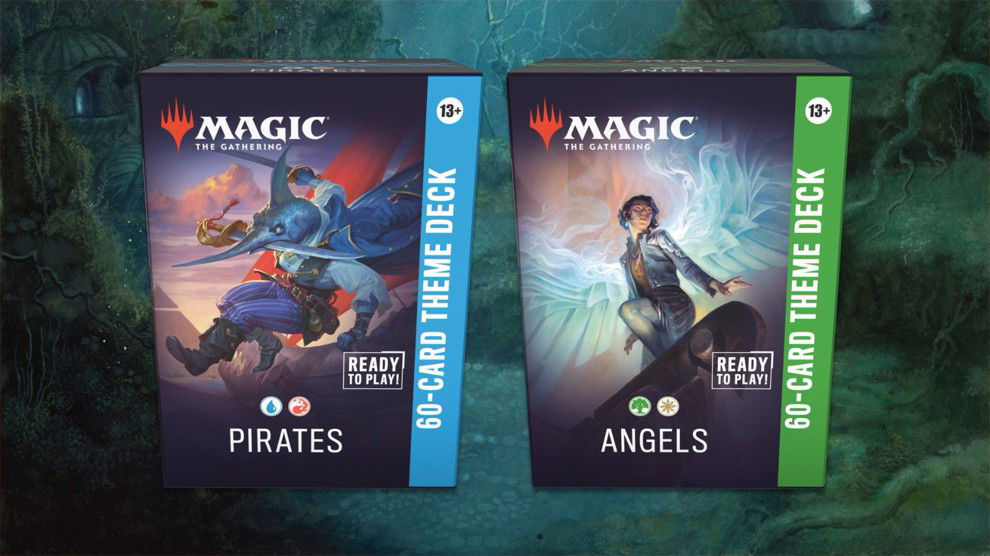
Since 2023, Magic has stopped releasing "Pick and Play" products other than Commander Decks or Starter Kits, creating a gap in its product line that leaves players—new and old—lacking an easily accessible 60-card format option. This is the demand that the new Theme Decks aim to meet.
With 60 cards each and focused on a specific theme, Wizards has confirmed that these products will be available alongside each in-universe release in 2026. Avid readers have already spotted their decklists from the product package description, which are reminiscent of the old Event Decks Magic released during the early 2010s, but with lists more focused on a consistent strategy than putting one or two chase cards together with a mediocre deck.
It was to be expected that none of them would be 100% competitive, and it seems to me that they're specifically designed for FNM and more casual environments than an RCQ, being built more as an entertainment product with a 1v1 model that can even be used in tournaments (if a sideboard is included) than designed for tournaments.
An excellent tool for expanding the reach of Standard on paper and a great way to attract new players to the format. Now, let's just hope the Metagame is fixed to the point where a player who picks up one of these products and tries to play it at their local store has at least a modicum of room for innovation and playability at an FNM or weekly event at their store.
The Strixhaven Book is a good start, but we need more multimedia projects

In a recent article, I mentioned how Magic needs to be a multimedia product if it wants its worldbuilding to matter in mainstream culture. I specifically referred to audiovisual works that could connect the lore of each expansion with something easy and interesting to digest for new audiences, such as ten-minute YouTube animations for each chapter of the story or even an interconnection between Magic: The Gathering lore and the Netflix series.
While these projects seem much more ambitious, Magic has decided to return to investing in multimedia works for its expansions, at least for Secrets of Strixhaven, where the set will be released with the book Omen of Chaos, written by Seanan McGuire.
It's a step in the right direction. However, a book only serves one audience: those already loyal to Magic: The Gathering and/or fans of the author. In other words, it's a product for those already familiar, and that's not what Magic needs to reinforce its influence as a brand by using elements inherent to its own universe—the TCG needs to make its lore interesting to outsiders who may have never encountered it before.
Marvel Super Heroes seems like the end of a bitter partnership

Why would a "multiple sets partnership," as promised between Magic and Marvel, release an expansion combining so many characters from the famous comic book franchise if it weren't for the contract between the two companies taking a sour turn?
Since Wizards announced in April 2025 that the collaboration sets with Marvel would have a different name and visual identity on digital platforms due to licensing issues (possibly involving the fact that Marvel already has its own digital card game), it has been clear that Hasbro was on the losing end of the agreement between the two companies.
In a mutually beneficial arrangement, one wouldn't include Captain America, Iron Man, the Fantastic Four, Black Panther, and so many other Marvel characters in one place when it's plausible, given the long history of these IPs and reinforced by the release of Spider-Man, to have an individual set for each hero.
It wouldn't be a surprise to discover that the set contains all the other cards from the Infinity Stone cycle, which began with The Soul Stone in Spider-Man, and that what was supposed to be a years-long project ended up becoming a two-set collaboration to conclude it.
The Hobbit could define Universes Beyond's future

The Hobbit will be the acid test for Universes Beyond's longevity. If it achieves the same success as its predecessor, it paves the way for Wizards of the Coast to ensure that certain collaborations can and should be reused with new guises. Otherwise, it will raise a red flag for the company—which works with data and numbers—that there is a medium-term risk in how far it can go with collaborative products.
It's once again up to Lord of the Rings fans to define the future of the card game and answer, for players and WotC itself, what the potential of a "Universes Beyond 2.0" is for each partnership Magic has already made or plans to make in the future.
Reality Fracture could be Planar Chaos 2.0, or the gateway to a Reboot
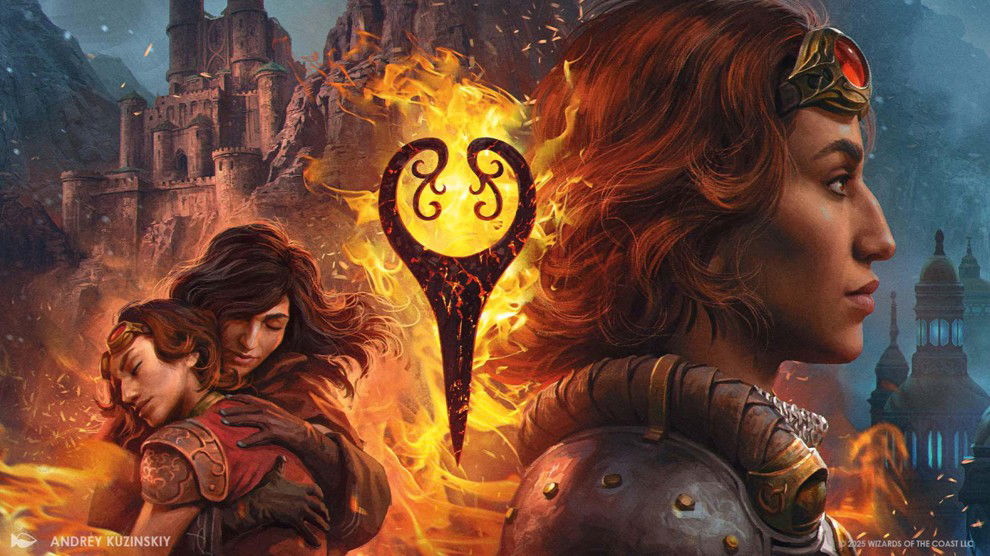
Reality Fracture is the third and final in-universe set of 2026, concluding the game's current story arc. It's also the set I'm most excited about for next year because of its potential for where Magic lore can develop from here.
In the least interesting scenario, it will simply be a Planar Chaos 2, this time using characters like the most recent Planeswalkers instead of classics from Dominaria, as was the case with the 2006 set, as indicated by alleged marketing research conducted by Wizards of the Coast in 2023.
In the most optimistic version, Reality Fracture presents Jace's machinations and how he succeeded in "rebuilding" the Multiverse, shaping a new reality with new characters, paving the way for an arc that could be more interesting to older audiences and engage new players in the development of Magic: The Gathering's story from that point onward—a core element in making the card game's worldbuilding an important part of the efforts to make it a mainstream product, given that one of the "issues" for newer players with its lore is how hard it is to follow the game's long 32-year history.
Regardless of the direction the plot takes, it would be a shame if this story developed as a single, isolated plot thread within a single set, rather than a steady development that could carry over into the next arc.
Star Trek has a long challenge ahead

I have no doubt that Star Trek could be one of the most successful expansions in Magic history. The game's current consumer demographic is around 25 to 45 years old, so it's natural that many Star Trek fans are familiar with or have some experience with the TCG. Just like The Lord of the Rings, there's plenty of room and potential for Star Trek to tap into the nostalgia and sentimental connection fans have with the brand.
Gavin Verhey has already confirmed it will be a draftable full set, but does this also include Commander decks? If so, can we assume that Marvel Super Heroes, scheduled for release in June, will also be a full set, since Mark Rosewater mentioned that future sets of the brand would have Commander decks? And with the June release date, can we assume that Super Heroes is in 2026 what Final Fantasy was planned to be in 2025?
If so, is it possible, if not likely, that Marvel will also have a Holiday Edition next year, around the same time as Star Trek's release, which could hurt sales if there's an overlap between the two audiences? And if The Hobbit is also a "full set" (as we hope it will be), won't this create a feeling of burnout around Star Trek when the set comes out?
Perhaps none of this will happen and Star Trek will be a huge commercial success, but we can't ignore the fact that the date and timing of the expansion depend heavily not only on the passion of the franchise's fans but also on how well it is executed compared to two other giants in the audiovisual industry whose WotC will make sets with in the same year.
Wrapping Up
That's all for today!
If you have any questions, feel free to leave a comment!
Thanks for reading!







 Sign in and join the conversation
— Comments 0
, Reactions 1
Be the first to comment